



Beating Jet Lag When Traveling for Tennis: A Player's Practical Guide
Jet lag is the cost of competing internationally. Most amateur players underestimate it; most touring pros plan around it. The difference: 30 minutes of preparation in the week before a trip turns a three-day adjustment into one night.
The Core Protocol
- Shift your sleep before the trip. If you're flying east, go to bed 30 minutes earlier each night for the three days before departure. If you're flying west, go to bed 30 minutes later. The first night at the destination becomes far easier.
- Switch your watch to the destination time the moment you board. Eat and sleep on the new schedule for the entire flight. Don't drift back to your home time.
- Sunlight is the most powerful signal. Get 20-30 minutes of sun within an hour of waking at the destination. This resets the circadian clock faster than any supplement.
- Hydrate aggressively in flight. Cabin air is dry. Dehydration amplifies fatigue and makes adjustment slower.
- Skip alcohol on the flight. Whatever you think it does for sleep, it undoes for recovery.
- Use melatonin sparingly and correctly. 0.3-1 mg taken 30-60 minutes before destination bedtime, only for 2-3 nights. More is not better.
- Don't nap longer than 25 minutes the first day. Short naps are recovery; long naps re-anchor you to home time.
- Move your body the first day. Even 20 minutes of light hitting helps. The brain associates movement with the local clock.
The Pre-Match Adjustment
For tournaments that start within 48 hours of arrival: prioritize daylight, a real first-night sleep, and one full hit on the local courts the next morning. Skip the late dinner and the long city walk — they sound fun, but they cost you match-day sharpness.
The Travel Bag Side of This
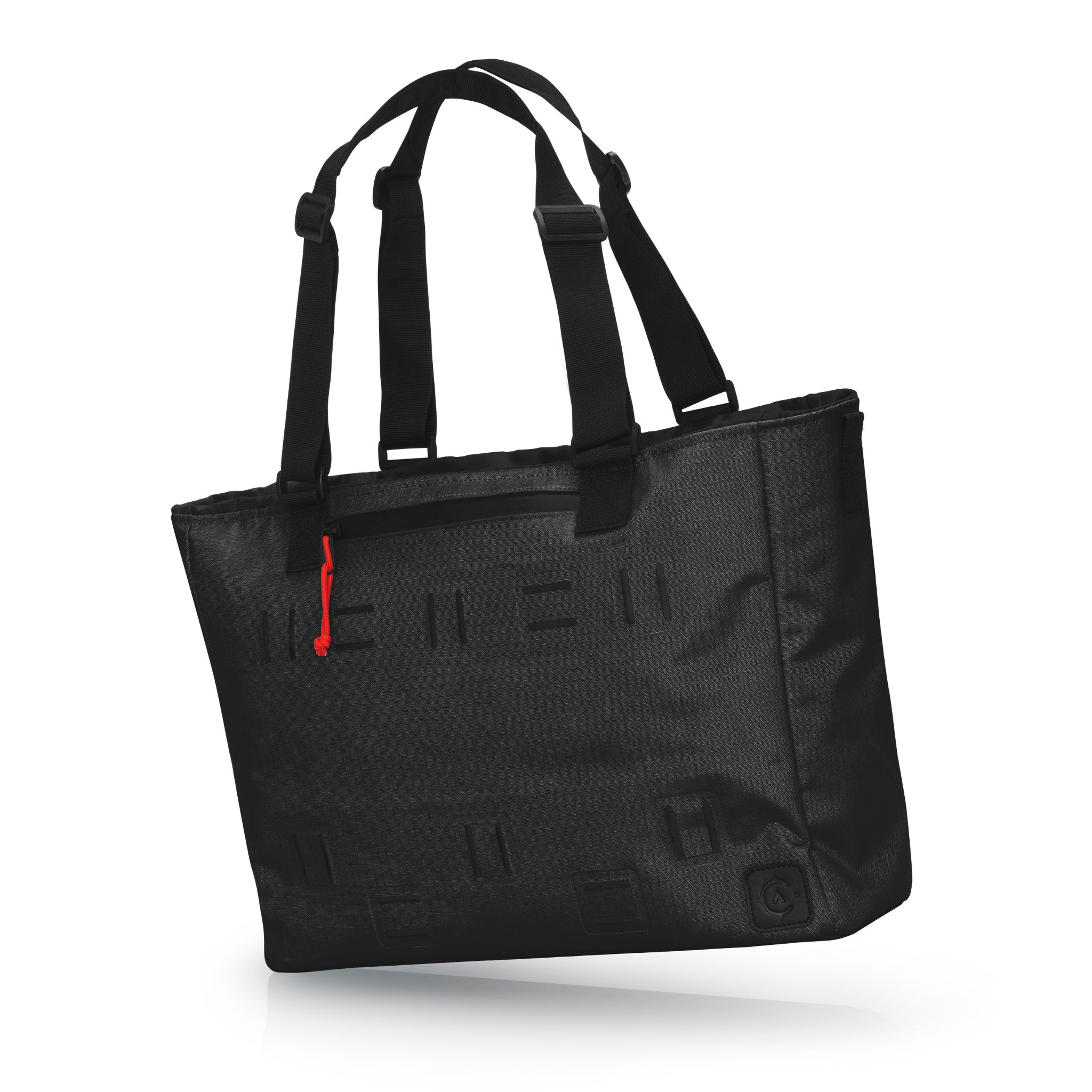
Sleep gear matters: sleep mask, earplugs, and a light merino layer for cold cabins go in your personal item, not your checked bag. We keep them in the Day Bag XL alongside electronics and travel docs. Recovery items (compression sleeves, foam roller, electrolyte sachets) go in the Pro Organizer inside the main bag.
Frequently Asked Questions
How long does it take to get over jet lag?
Roughly one day per time zone crossed if you do nothing. With pre-flight sleep shifting, in-flight discipline, and aggressive sunlight on arrival, you can compress 5-8 hours of time difference into a single night of full adjustment.
Is melatonin good for jet lag?
Yes, used correctly. 0.3-1 mg (much lower than typical retail doses) taken 30-60 minutes before destination bedtime for 2-3 nights. Higher doses cause grogginess without faster adjustment.
What should tennis players eat to fight jet lag?
Stick to local meal times even if you're not hungry. Protein-heavy breakfast at the local breakfast time, carbs and protein at lunch, lighter dinner. Avoid heavy late meals — they disrupt sleep onset.
Should I train the day I arrive?
Yes — a light 20-30 minute hit, ideally outdoors. Even if you feel terrible, movement plus daylight is the fastest reset. Save serious training for day 2.
Travel-ready bags built for tournament players: Racquet Bag Voyager · Tennis Travel Bundle.
Read more

Palm Springs is one of the best year-round tennis destinations in the U.S. The clubs, resorts, and public facilities worth playing at — with notes on access, climate, and what to bring.

Some trips are about the destination. Some are about the person you take with you. A short essay on travelling for tennis with a 13-year-old, and what we learned that didn't show up on the scorecard.


Leave a comment
All comments are moderated before being published.
This site is protected by hCaptcha and the hCaptcha Privacy Policy and Terms of Service apply.