


A Guide to the Tennis Grand Slams: The Four Majors Explained (2026)
The four Grand Slams are tennis's biggest events — each one with its own surface, character, and rules. They're also four of the most fun spectator events in sport. Below is a practical guide: what's different about each, when they happen, and what you need to know if you want to attend.
The Four Tournaments
1. The Australian Open (January)
- Location: Melbourne Park, Melbourne, Australia
- Surface: Hard court (Plexicushion / GreenSet since 2020)
- Character: The most laid-back of the four. Hot, sometimes brutally so, with retractable roofs on the main show courts. Player-friendly.
- When to go: Mid-to-late January, two weeks. First round to final.
- Tickets: Public sale opens September each year. Outside courts are cheap and excellent in the first week.
2. Roland Garros (the French Open, May-June)
- Location: Stade Roland Garros, Paris, France
- Surface: Red clay (the only clay-court Major)
- Character: The most physical Slam. Long rallies, slow conditions, attritional matches. Rafael Nadal's 14 titles set the modern standard for the sport.
- When to go: Late May to early June, two weeks.
- Tickets: Public draw in March via the FFT website. Always oversubscribed; resale is the realistic path.
3. Wimbledon (June-July)
- Location: The All England Lawn Tennis Club, London, UK
- Surface: Grass (the only grass-court Major)
- Character: The most traditional. White-only dress code, strawberries and cream, royal box, and a culture that hasn't changed in a century.
- When to go: Late June to mid-July, two weeks.
- Tickets: The Wimbledon Ballot (public draw) in early autumn. The Queue is the other route — arrive at dawn for show-court access; afternoon for grounds passes.
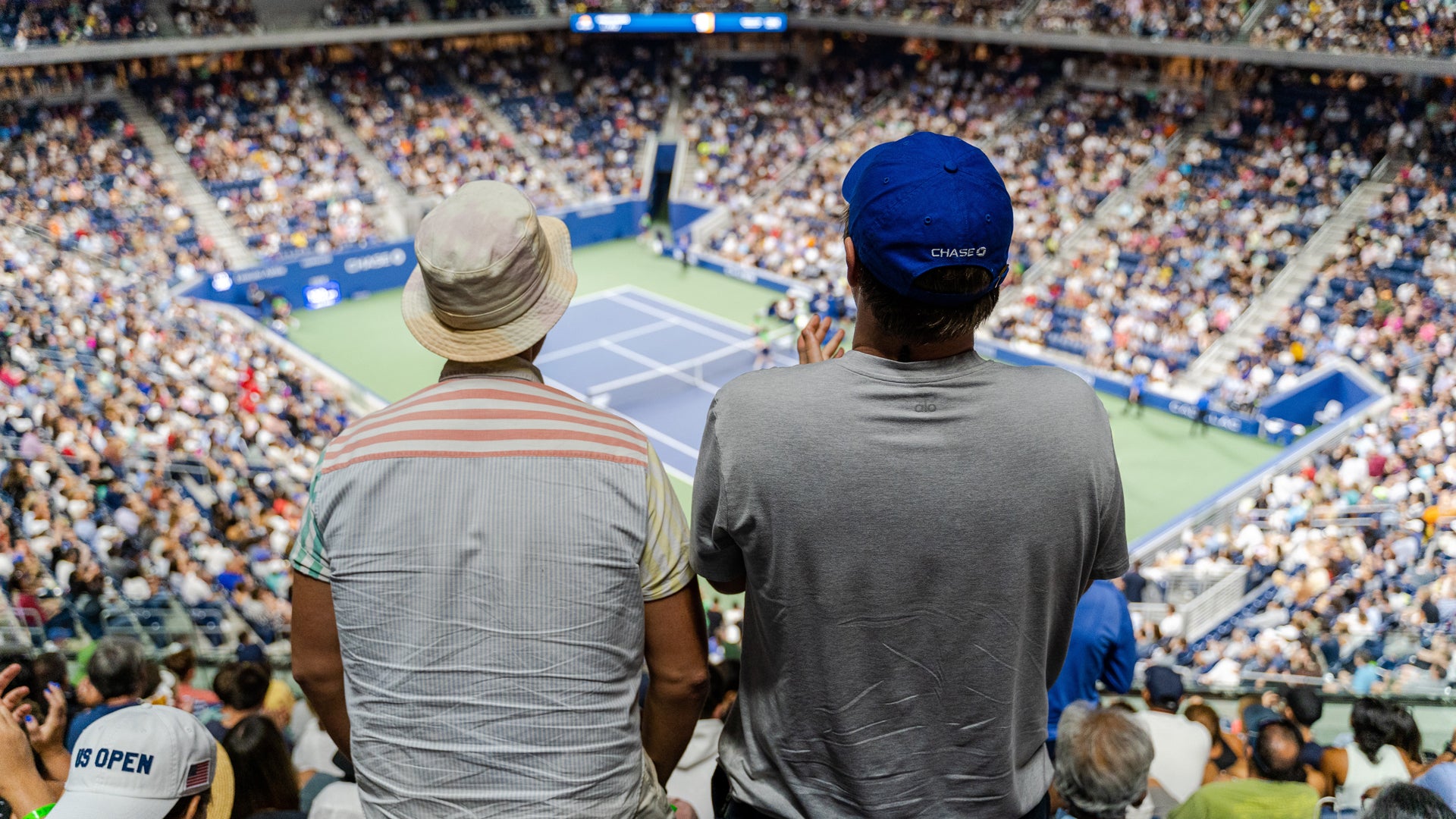
4. The U.S. Open (August-September)
- Location: USTA Billie Jean King National Tennis Center, Flushing Meadows, NY
- Surface: Hard court (DecoTurf / Laykold since 2020)
- Character: The loudest, most commercial, and most spectator-driven. Night sessions are an experience all their own.
- When to go: Last week of August to second week of September.
- Tickets: Public sale via Ticketmaster, opens June. Grounds passes are the best value.
How to Attend a Grand Slam (Without Paying Resale)
- Australian Open: Easiest of the four. Ground passes are available almost any day on the official site.
- Roland Garros: Enter the public draw in March. If you miss it, the third-set tickets on the day are sometimes available at gate booths.
- Wimbledon: Enter the Wimbledon Ballot or join The Queue. Camping overnight at the Queue is a real strategy.
- U.S. Open: Buy ground passes when sale opens in June. First-week grounds passes are the best value in tennis.
What to Bring
A Grand Slam is 8-12 hours on your feet, often in heat. Pack a small bag that holds essentials but doesn't slow you down at security. The Sling Bag ($69) is built for exactly this — phone, wallet, sunscreen, water bottle, charger, and your tournament program. For multi-day trips, the All Court Backpack works as both flight carry-on and day pack.
Frequently Asked Questions
How long are the Grand Slam tournaments?
All four run for two weeks, starting on a Monday and finishing two Sundays later with the men's singles final.
What surface is each Grand Slam played on?
Australian Open: hard. Roland Garros: red clay. Wimbledon: grass. U.S. Open: hard. The four together test players across every major surface in tennis.
How much do Grand Slam tickets cost?
Ground passes start around $50-100 USD (varies by tournament and day). Centre/show court seats range from $200 to $2,500+ depending on the round. Finals tickets in resale routinely exceed $5,000.
Has anyone won all four Slams in a year recently?
Steffi Graf in 1988 is the last player to win the calendar Grand Slam in singles. Novak Djokovic and Serena Williams have both held all four simultaneously across calendar years (the "Career Grand Slam in succession"), but no calendar Slam since.
Pack right for the tour: Sling Bag for show-court days · All Court Backpack for travel.
Read more
NYC tennis is hidden in plain sight. A practical guide to the best clubs, public courts, and indoor facilities across all five boroughs — with notes on access, surface, and what to bring.

Yes, you can. A complete, current guide to flying with tennis racquets — carry-on rules across major U.S., European, and international airlines, how to protect your racquets in transit, and which b...


Leave a comment
All comments are moderated before being published.
This site is protected by hCaptcha and the hCaptcha Privacy Policy and Terms of Service apply.